
Understanding Obstructions
Types of Obstructions
Perceptible
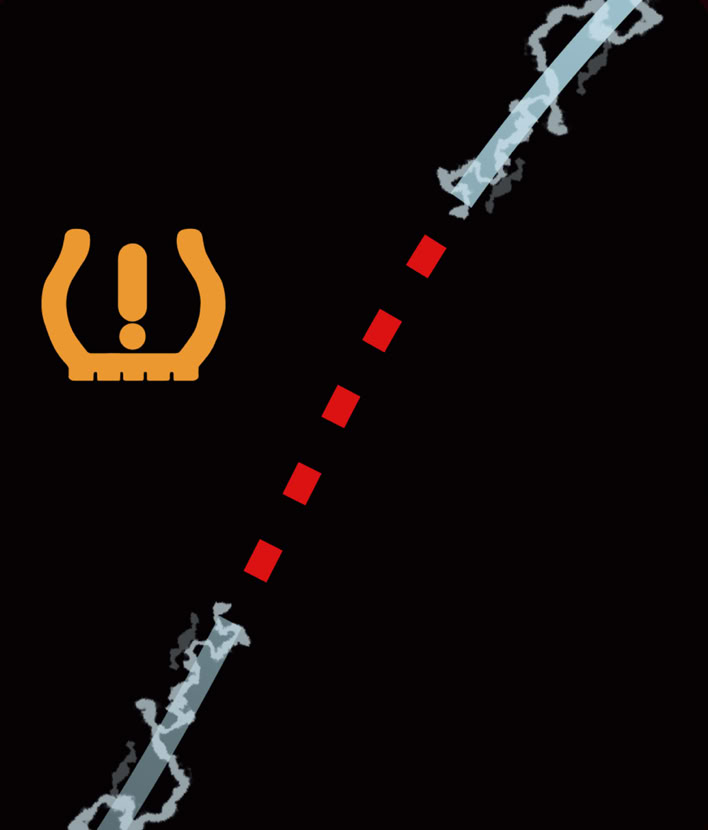
A Perceptible Obstruction is observable using conventional analytical imaging techniques, such as X-ray, MRI (magnetic resonance imaging), and CT (computed tomography).
Imperceptible
An Imperceptible Obstruction is NOT observable using conventional analytical imaging techniques; advanced and modern analytical methods are usually employed for detection.
What Causes An Obstruction?
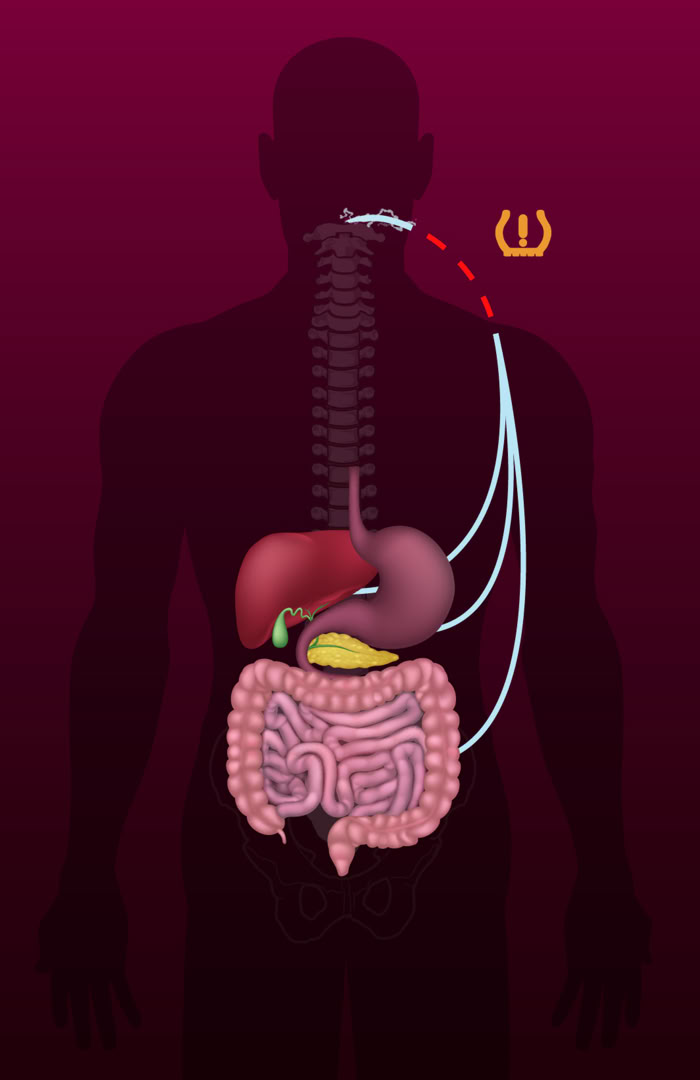
In many cases, an Obstructions is caused by a structural displacement of a spinal segment just as the peripheral nerves branch off from the spinal cord and exit the spine. The next logical question is . . . “What causes the displacement of the spinal segment?” In some cases, the cause is acute trauma like a motor vehicle accident, athletic injury or even a fall. However, in many more cases, everyday repetitive stress and repetitive motions create mini-traumas in your body. These small stresses gradually push structures out of alignment.
Regardless of the cause, structural displacements place unwanted pressure on nearby nerves (an Obstruction), which frequently results in pain and dysfunction throughout the body.
Again, a neurological Obstruction isn't an illness—it's a communication breakdown within the body that can lead to illness or disease.
Obstructions can affect anyone (including newborns), occur anywhere in the nervous system, and may or may not cause pain. In short, an Obstruction disrupts optimal nerve function and may have profound health consequences.
© 2026 Obstructions.org